
 Deutsch
 English

Looking for an exciting topic for your bachelor's or master's thesis, or for a student project? We offer topics on an ongoing basis that address current questions from our research. We especially like to offer hands-on work in which you develop on real hardware, for example microcontrollers such as Arduino or ESP, or FPGAs.
Many students also bring their own ideas, and we are happy to develop a suitable topic together with you.
Possible topics come from the following areas, among others:
- Modern processor architectures, e.g. RISC-V
- Efficient implementation of accelerators, e.g. for neural networks
- Approximate computing
- Use of modern hardware description languages (Chisel, Clash)
- Formal methods for verification or synthesis
Below you will find open topics as well as previously supervised theses for inspiration. Just get in touch.
Supervised work
- LE Audio Broadcast Device
- Approximative logic synthesis using symmetrization
- Error propagation in complex systems
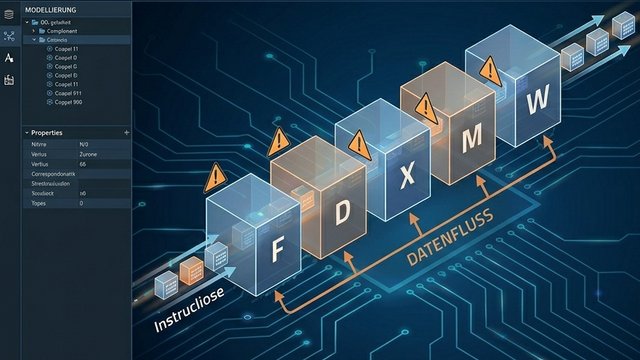
- Implementing a One Instruction Set Computer using Clash
- Approximate AIG Synthesis and Error Computation
- An Interval Arithmetic Library for Approximate Computing in Modern C++
- Multilayer PCB Escape Routing for Digital Microfluidic Biochips
- Error computation and estimation in BDD-based synthesis for approximate computing
- Designing a communication protocol for realtime manipulation of a StackADrop DMFB
- StackADrop: A versatile biochip
- Alternative area division methods for exact routing on digital microfluidic biochips
- Investigation of different encodings of special cardinality constraints for SAT
- The Flow-Routing Problem of Programmable Microfluidic Devices using the Generic Problem Solver
- Implementing Spiking Neural Networks using Chisel
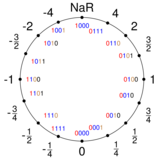
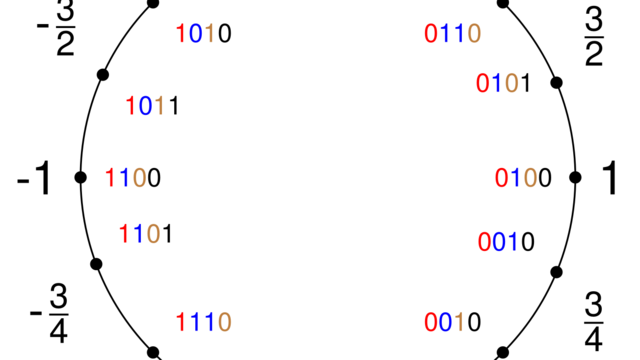
- Unums and Posits: A replacement for IEEE 754 floating points? Analysis and Implementation
- Approximate LUT mapping for FPGAs
- Approximate hardware synthesis using modern hardware description languages
- Error analysis of anytime instructions and design space exploration for loop programs
- Optimization of biochip escape routing algorithms and integration into KiCAD
- Improving the Heuristics for One-Pass-Synthesis of Digital Microfluidic Biochips
- Solving complex DMFB routing problems via reinforcement learning
- Improving the heuristics for one-pass-synthesis of digital microfluidic biochips
- Graph-Based Analysis of Growth Patterns in the True Slime Mold Physarum Polycephalum